September 2025
CenterSquare has identified attractive niche subsectors across the private real estate landscape. One of these subsectors is a form of small-bay industrial that we have termed “service industrial,” that presents a unique opportunity to create value for investors. Managing Director of Private Equity Real Estate, Jeffrey Reder, explains more about what this opportunity is, and why it’s worth consideration.
Q: Most people are familiar with the industrial sector, but what exactly is service industrial? How is it different from traditional industrial product?
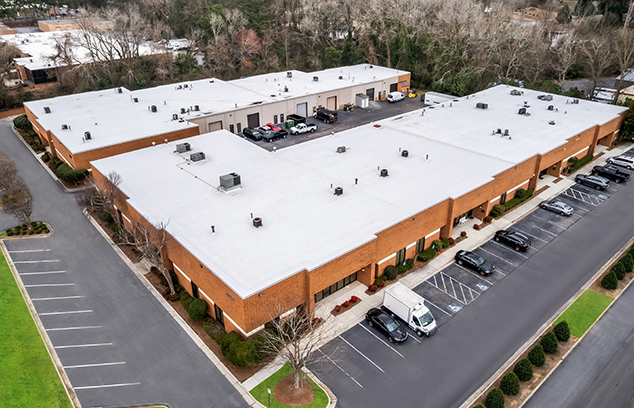
A: While there’s some ambiguity in the industry, we define service industrial as small-bay assets with an average suite size of less than 10,000 square feet and average office finishes below 40% to differentiate it from flex, showroom or business park assets. Typically these spaces are less than 120 feet deep with 12’-24’ clear heights and predominantly grade-level loading.
Traditional industrial product, are sprawling complexes with high clear heights and long rows of dock-level loading. They tend to be situated close to significant transportation infrastructure and in areas conducive to high throughput and tractor trailer traffic, putting them further away from residential neighborhoods. Comparatively, we’re looking at much smaller footprints located in in-fill areas surrounded by a dense population of residential and commercial customers.
Q: What types of tenants typically occupy these spaces?
A: Service industrial tends to attract more diverse, service-oriented tenant bases that prefer to be located closer to their end consumer. They tend to be small businesses that rely heavily on these assets for day-to-day operations. Think electricians, plumbers, contractors, landscapers, etc. that need this unique profile of space to serve as a mission critical home for all aspects of their business.
Q: Describe the supply and demand dynamics of the current market. How does this compare to the broader industrial sector?
A: Current supply of newer service industrial is low, particularly in comparison to larger industrial asset supply. The rise of e-commerce has driven an increase in supply for large industrial assets over the last few years, but these smaller buildings have not seen the same increase. There are a few reasons this is the case. First, land in these in-fill locations has become more scarce, presented zoning challenges, or has been repurposed to different uses, such as residential. Second, developers tend to choose the most efficient use of capital. This often means deploying investor capital into larger projects that produce bigger payouts.
The story with demand is the opposite. Leasing volume in 2024 for service industrial assets compared to just a few years ago remains positive, while leasing volume in larger industrial product has decreased when compared to a few years ago. This, combined with low supply, has resulted in small-bay having the lowest vacancy rates across the industrial sector.
Q: Why is service industrial a good investment opportunity?
A: In addition to the low supply and low vacancy rates, ownership in this subsector is fragmented, typically with these assets owned primarily by local private owners. This presents an opportunity for consolidation, and a relatively clear and obvious path to execute value-add strategies. Many of these properties are older, meaning they are in need of some deferred maintenance and cosmetic improvements, and often have shorter-term, below-market leases. Institutionalizing management and marking rents to market while converting short-term leases to longer-term leases creates meaningful value for investors.